Introducing LibraryLink: Helping Libraries generate revenue from their deaccessioned materials.

Introducing LibraryLink: Helping Libraries generate revenue from their deaccessioned materials.
 Wholesale & Sourcing
Book reselling is one of the most accessible side hustles you can start today — low barrier, flexible hours, and real profit potential. Here's how experienced book resellers source cheap inventory in bulk and sell it for consistent returns.
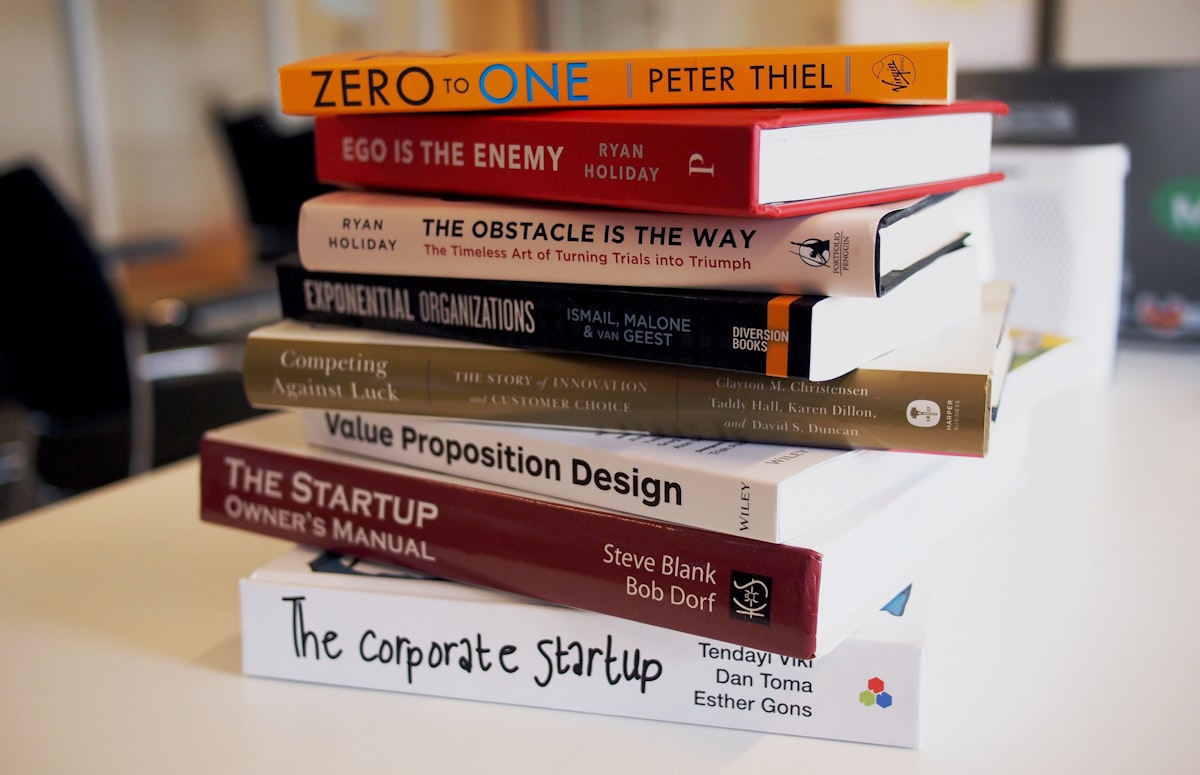
The used book market on Amazon and eBay moves millions of dollars worth of inventory every month — and individual resellers capture a meaningful slice of that. Book reselling, sometimes called book flipping, is one of the most accessible side hustles around: low startup costs, no specialized knowledge required, and a massive inventory pool hiding in plain sight at thrift stores, library sales, and wholesale suppliers.
This guide covers everything you need to start sourcing books for resale and building a profitable book-flipping operation.
Not every book you find is worth listing. Profitable book reselling depends on understanding what drives value:
Use a scanning app like the Amazon Seller app or ScanLister to check ISBN prices before you buy — this is non-negotiable if you’re sourcing from mixed lots.
Thrift stores are the classic starting point for book resellers. Goodwill, Salvation Army, and independent secondhand shops price most books at $1–3, making it easy to find titles that sell for $10–30 on Amazon. The downside: you’ll sort through a lot of low-value inventory to find the gems.
Pro tip: Build relationships with thrift store managers. Many will alert you to new book donations or sell you unsorted boxes before they hit the floor.
Library sales are gold for resellers. Libraries price books to move — often $0.25–$2 each — and the inventory is typically in better condition than thrift store finds. Library deaccession programs sometimes offer pallet or box pricing that dramatically reduces cost-per-unit.
Estate sales frequently include large personal book collections, often sold at aggressive prices when the family just wants everything gone. These can be hit-or-miss on selection, but the price-per-book is usually excellent.
For resellers who want to scale beyond one-off sourcing, wholesale book suppliers offer the most consistent and predictable inventory. Instead of spending hours sorting through thrift stores, you can buy genre-sorted lots — non-fiction, self-help, literary fiction — in bulk at a set cost per book.
This approach trades the thrill-of-the-hunt for predictability and volume, which is exactly what resellers need as they scale from a hobby to a real business.
Pricing strategy separates successful book resellers from those who stall out. Here are the fundamentals:
Most successful book resellers start with thrift stores and library sales, then transition to wholesale sourcing as they grow. The reason is simple: time. Spending 6 hours at a thrift store to find 40 sellable books is fine when you’re starting out, but unsustainable as a full-time operation.
Wholesale sourcing lets you buy 200–500 books per order, sorted by category, at a predictable per-book cost. You spend more time listing and fulfilling — the actual revenue-generating activities — and less time hunting.
Zoom Books supplies books for resale across 12 categories including mystery and thriller, romance, science fiction and fantasy, and teen and young adult.
The difference between a casual book flipper and a profitable reseller often comes down to one thing: speed of evaluation. These tools let you make buy/no-buy decisions in seconds rather than minutes.
Amazon’s Best Sellers Rank tells you how frequently a book sells relative to all other books. Here’s a practical guide for the Books category:
Never make a decision based on a single BSR snapshot. A book ranked 50,000 today might have been 2,000,000 last week. Tools like ScoutIQ show the historical trend, which is far more informative.
When sourcing from wholesale suppliers, you’re often evaluating lots rather than individual titles. In that case, the key metric shifts from per-title BSR to category sell-through rate — how quickly books in that genre move overall. Genre-sorted wholesale lots (like those from Zoom Books) let you apply category-level knowledge rather than scanning every ISBN, which makes bulk sourcing significantly faster to evaluate.
Browse wholesale books for resale →
Ready to scale your sourcing? Get in touch and tell us what categories you’re looking for.
Where to Buy Books in Bulk: The Complete Guide for Resellers, Schools & Libraries
Wholesale Books 101: How Organizations Get the Best Bulk Book Deals