Introducing LibraryLink: Helping Libraries generate revenue from their deaccessioned materials.

Introducing LibraryLink: Helping Libraries generate revenue from their deaccessioned materials.
 Wholesale & Sourcing
Schools, nonprofits, gift shops, and reading programs can dramatically cut their book costs by buying wholesale. Here's what every organization should know before placing their first bulk book order.
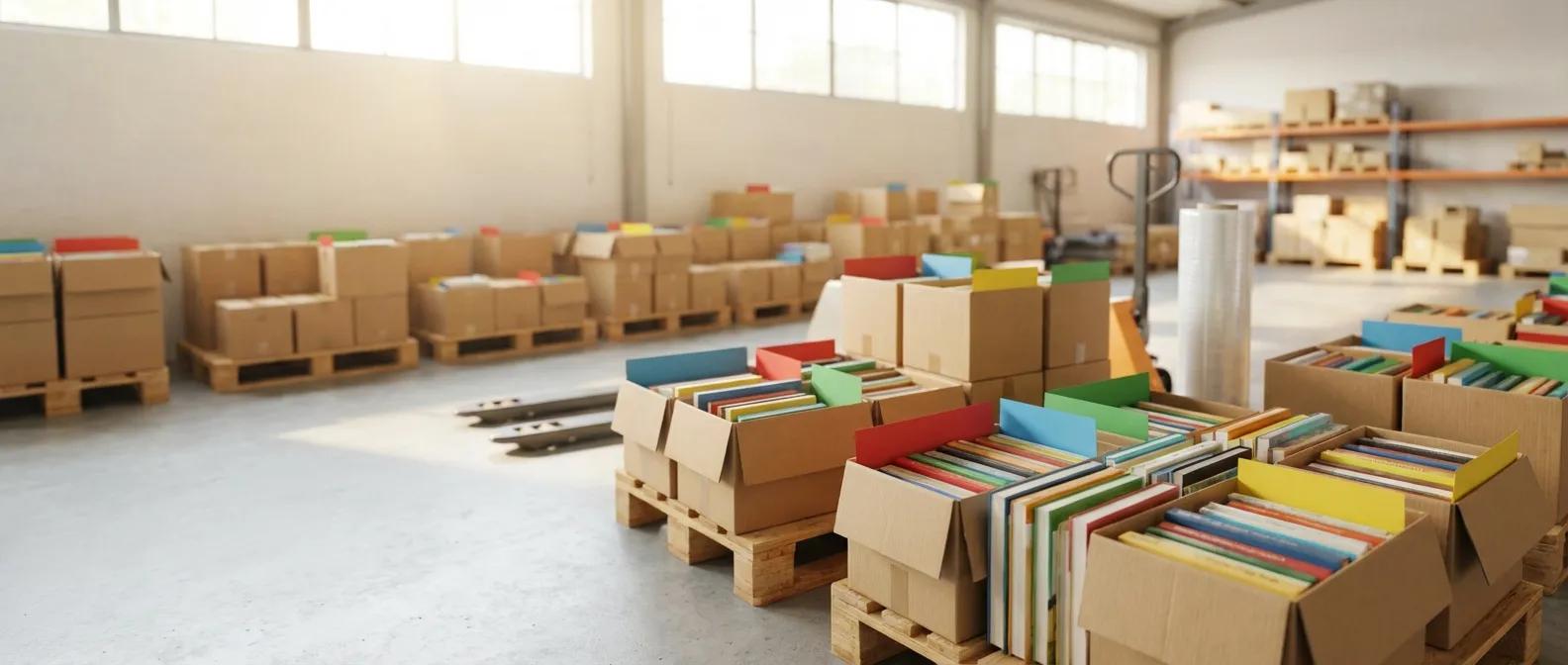
Organizations that buy books regularly — schools, libraries, literacy nonprofits, gift shops, corporate wellness programs — often pay far more than they need to. The retail markup on books is significant, and even buying from Amazon in small quantities leaves money on the table. Wholesale book purchasing changes the math entirely.
This guide explains how wholesale book pricing works, who benefits most, and what to look for when choosing a supplier for your organization’s bulk book needs.
Retail book pricing is built on layers of margin — publisher, distributor, retailer — each adding 30–50% before the book reaches the shelf. Wholesale suppliers like Zoom Books remove most of those layers, passing the savings directly to buyers.
In practical terms:
For organizations on fixed budgets, that difference isn’t marginal — it determines how many books you can afford to put in front of people.
Classroom libraries, school book fairs, summer reading programs, and literacy initiatives all require consistent, high-volume book procurement. Wholesale pricing allows schools to buy more books with the same budget — often 3–5x more titles than buying at retail. Children’s books and teen and young adult titles are among the most cost-effective categories to buy in bulk.
Libraries balancing collection growth against budget constraints benefit enormously from wholesale sourcing — particularly for popular fiction categories like mystery and thriller, romance, and science fiction and fantasy. Wholesale also supplements library-link and deaccession programs as an ongoing acquisition channel.
Book-focused nonprofits — free libraries, reading programs, literacy charities — operate with tight margins where per-book cost is paramount. Wholesale sourcing makes large-scale book distribution financially viable. Many donors and grantors also look favorably on organizations that demonstrate budget efficiency.
Bookstore gift shops, museum stores, and specialty retailers benefit from wholesale sourcing to maintain competitive margins. Genre-specific lots — cookbooks, history, biography and memoir — can anchor curated retail sections at attractive price points.
Companies running employee book clubs or wellness programs increasingly purchase books in bulk. Self-help, non-fiction, and biography titles are popular choices for these programs, and wholesale pricing makes a quarterly book program budget-friendly.
Not all wholesale book suppliers are equal. Here’s what separates reliable partners from fly-by-night operations:
Most wholesale book suppliers operate on volume-based pricing: the more you buy, the lower your per-book cost. Typical pricing tiers look something like this:
For organizations making their first wholesale purchase, starting at the mid-tier and evaluating inventory quality before scaling up is a sound approach.
Minimum orders vary by supplier. Most wholesale book suppliers — including Zoom Books — can accommodate orders starting at 50–100 books, with better per-unit pricing as volume increases. Pallet-level orders (typically 500+ books) offer the lowest cost per book and are ideal for library systems or larger retail operations.
This depends on the supplier. Some wholesale suppliers deal exclusively in new, overstock, or remaindered titles — these are new books sold below retail because the publisher has excess inventory. Others, like Zoom Books, specialize in quality used books sourced through donations and buyback programs. Used wholesale books are typically graded by condition (Very Good, Good, Reading Copy) so buyers know what to expect before ordering.
At Zoom Books, yes — inventory is available in genre-specific categories including non-fiction, children’s books, mystery and thriller, and 9 other categories. Some suppliers offer only unsorted mixed lots, which requires the buyer to sort inventory after receipt — fine for resellers, less practical for libraries or schools that need specific titles or reading levels.
Yes. Schools, registered nonprofits, literacy organizations, and community programs are among the most common wholesale book buyers. Many suppliers offer additional discounts or priority access for qualifying organizations. If your organization is a registered nonprofit or has a charitable mandate, it’s worth mentioning when you inquire — some suppliers have dedicated programs for educational and charitable buyers.
Shipping costs on heavy book orders can be significant, so it’s worth discussing logistics before placing a large order. Options typically include:
Remaindered books are new, unsold publisher overstock sold at steep discounts — often marked with a line or stamp on the page edges. They’re in new condition but may be older titles or slow sellers. Used wholesale books are previously owned and may show light wear, but often include a wider variety of titles. Both have legitimate uses depending on your needs: remainders work well for gift shops and retailers focused on presentation, while used wholesale books are ideal for libraries, reading programs, and resellers where condition-grading is accepted practice.
Fulfillment times vary by supplier and order size. Smaller orders (under 200 books) can typically ship within a few business days. Larger pallet orders may require 1–2 weeks for picking and preparation. If you’re operating on a deadline — a school year start, a fundraising event, a gift shop restock — communicate your timeline upfront so the supplier can confirm availability.
Zoom Books offers wholesale books across 12 genre categories, stocked and ready for bulk orders:
View all wholesale categories and get pricing →
For custom orders, pallet pricing, or questions about what’s in stock, contact our wholesale team directly.
Book Reseller’s Guide: How to Source Cheap Books and Flip Them for Profit
 Second Hand Book Wholesalers: A Sourcing Guide for UK Retailers and Exporters