Introducing LibraryLink: Helping Libraries generate revenue from their deaccessioned materials.

Introducing LibraryLink: Helping Libraries generate revenue from their deaccessioned materials.
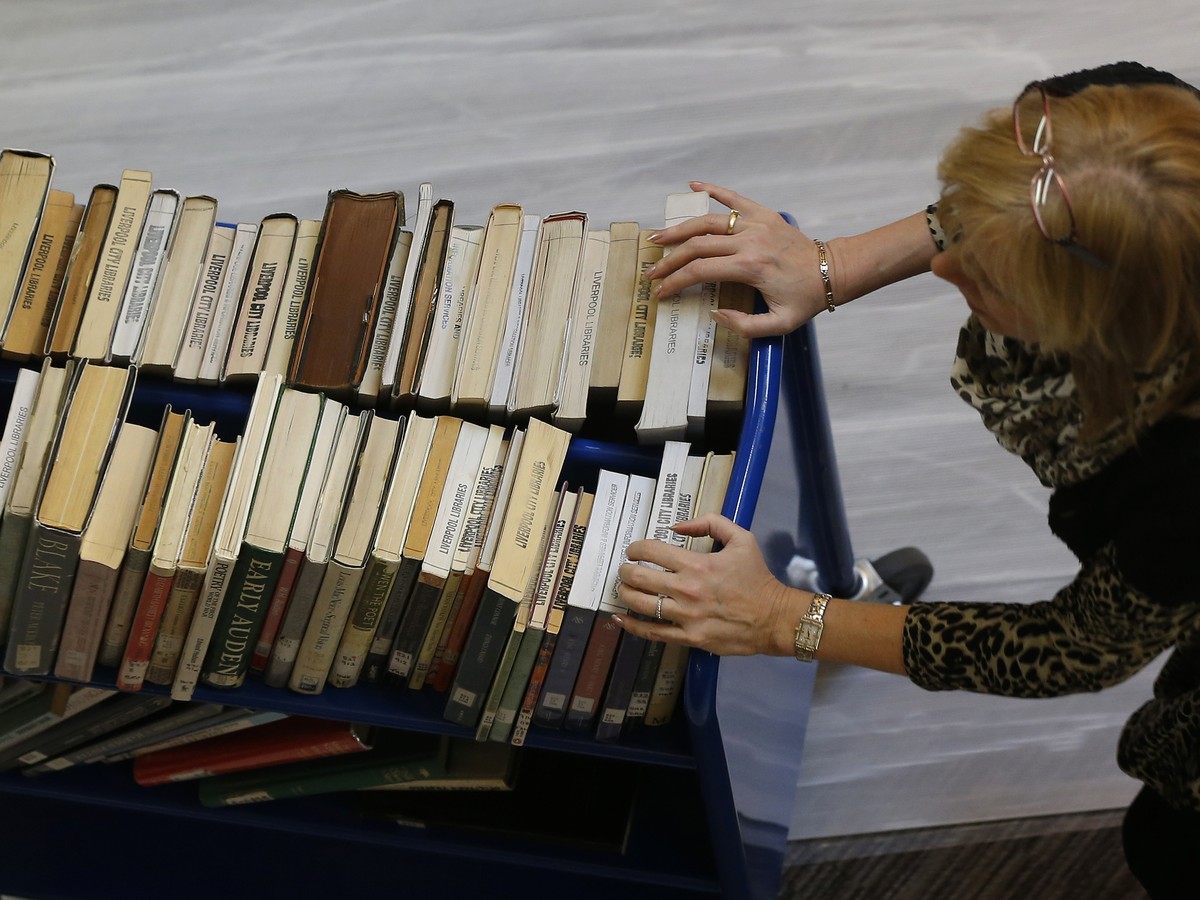

Sustainable Book Processing

What happens to old library books? With Zoom Books LibraryLink, deaccessioned materials are either resold to give them a second life or responsibly recycled through our certified partners. Nothing goes to landfill.

Every year, libraries across North America deaccession millions of books. Without a responsible processing partner, these materials often end up in landfills — wasting the paper, energy, and water that went into producing them.
Zoom Books LibraryLink provides a complete lifecycle solution for your deaccessioned materials:
The result: your library meets its sustainability goals, generates revenue, and can demonstrate environmental stewardship to your community and board.
Every item is accounted for. Resalable books find new readers. Non-resalable materials become new paper products through certified recycling. Nothing reaches a landfill.
Traditional disposal costs money. LibraryLink generates revenue from materials with resale value and provides free recycling for everything else.
Receive detailed reports documenting books resold, materials recycled, trees saved, water conserved, and carbon emissions avoided. Ready for board presentations.
We coordinate free pickup from your facility. No need to arrange dumpsters, hauling services, or drop-off logistics. Box it up and we handle the rest.
A transparent, traceable journey for every deaccessioned item.
Free pickup from your library — boxes, pallets, or full trailer loads.
Every item is evaluated for resale potential by our processing team.
Optional Scanned Program provides per-title tracking and valuation.
Books with market value are listed across our multi-channel marketplace.
Non-resalable materials processed by certified paper recycling partners.
Recycled paper becomes new notebooks, packaging, and paper products.
Every batch is tracked from pickup to final processing destination.
Detailed sustainability reports with environmental impact metrics.
How responsible recycling compares to conventional book disposal methods.
| Factor | Dumpster / Landfill | Zoom Books LibraryLink |
|---|---|---|
| Environmental Impact | Books rot in landfill producing methane | 98% diversion — resale or certified recycling |
| Cost to Library | Dumpster rental and hauling fees | Free pickup — no cost to you |
| Revenue | Zero | Revenue from resold materials |
| Reporting | No tracking or documentation | Full sustainability impact reports |
| Community Perception | Negative press risk from dumpster photos | Positive sustainability narrative |
| Compliance | May not meet green mandates | Supports municipal sustainability goals |
Reach out to our library team. We'll discuss your volume, timeline, and whether the Unscanned (weight-based) or Scanned (ISBN-tracked) program fits best.
Pack your deaccessioned materials into standard boxes. No sorting needed for the Unscanned program. We accept all standard library materials.
We coordinate pickup from your location. Our logistics team handles everything from small branch pickups to multi-pallet academic library projects.
We assess every item: resalable books go to market, everything else is responsibly recycled. You receive payment and a detailed sustainability report.
When books end up in landfills, the environmental impact is significant. Paper decomposing in anaerobic landfill conditions produces methane — a greenhouse gas 80 times more potent than CO2 over a 20-year period. A single ton of paper in landfill generates approximately 1.5 tons of CO2-equivalent emissions.
Consider that the average library deaccessions thousands of items per year. Without responsible processing, that represents a meaningful carbon footprint that could be avoided entirely.
Paper recycling reduces environmental impact across multiple dimensions:
Even better than recycling is extending a book's useful life through resale. When a deaccessioned library book finds a new reader, the full environmental cost of producing a new copy is avoided. Zoom Books' marketplace network ensures maximum resale opportunity before any item is sent to recycling.


Meet
With extensive experience in book recycling supply chain management, Denise brings proven industry expertise to Zoom Books’ thrift store and nonprofit partnerships. She leads supplier acquisition and logistics coordination across our North American operations, ensuring seamless service for retail partners.
At Zoom Books, Denise specializes in building custom thrift store partnership strategies that help retail partners transform excess inventory into recovered floor space and consistent revenue streams. Her hands-on approach ensures every thrift store partner benefits from optimized logistics and maximum value recovery.
All non-resalable materials are sent to our certified paper recycling partners. The paper is pulped and turned into new paper products like notebooks, packaging, and tissue. Nothing goes to landfill.
Yes. We provide free pickup and processing for all qualifying volumes (minimum 3 boxes). We generate revenue from resold materials and share it with your library. There is no disposal fee.
Every shipment generates a detailed sustainability report showing books resold, materials recycled by weight, trees saved, water conserved, and CO2 emissions avoided. These are designed for board presentations and annual reports.
Absolutely. We work with libraries processing from a few boxes to tens of thousands of items. Our logistics team can coordinate pallet pickups and even full trailer loads for major projects.
Yes. We work exclusively with certified paper recycling facilities that meet environmental compliance standards. We can provide documentation of our recycling chain upon request.
Yes. Many of our library partners use our sustainability reports to demonstrate compliance with municipal green initiatives, waste diversion targets, and sustainability mandates.

Join 500+ libraries that trust Zoom Books to handle their deaccessioned materials sustainably. Contact us for a free consultation.